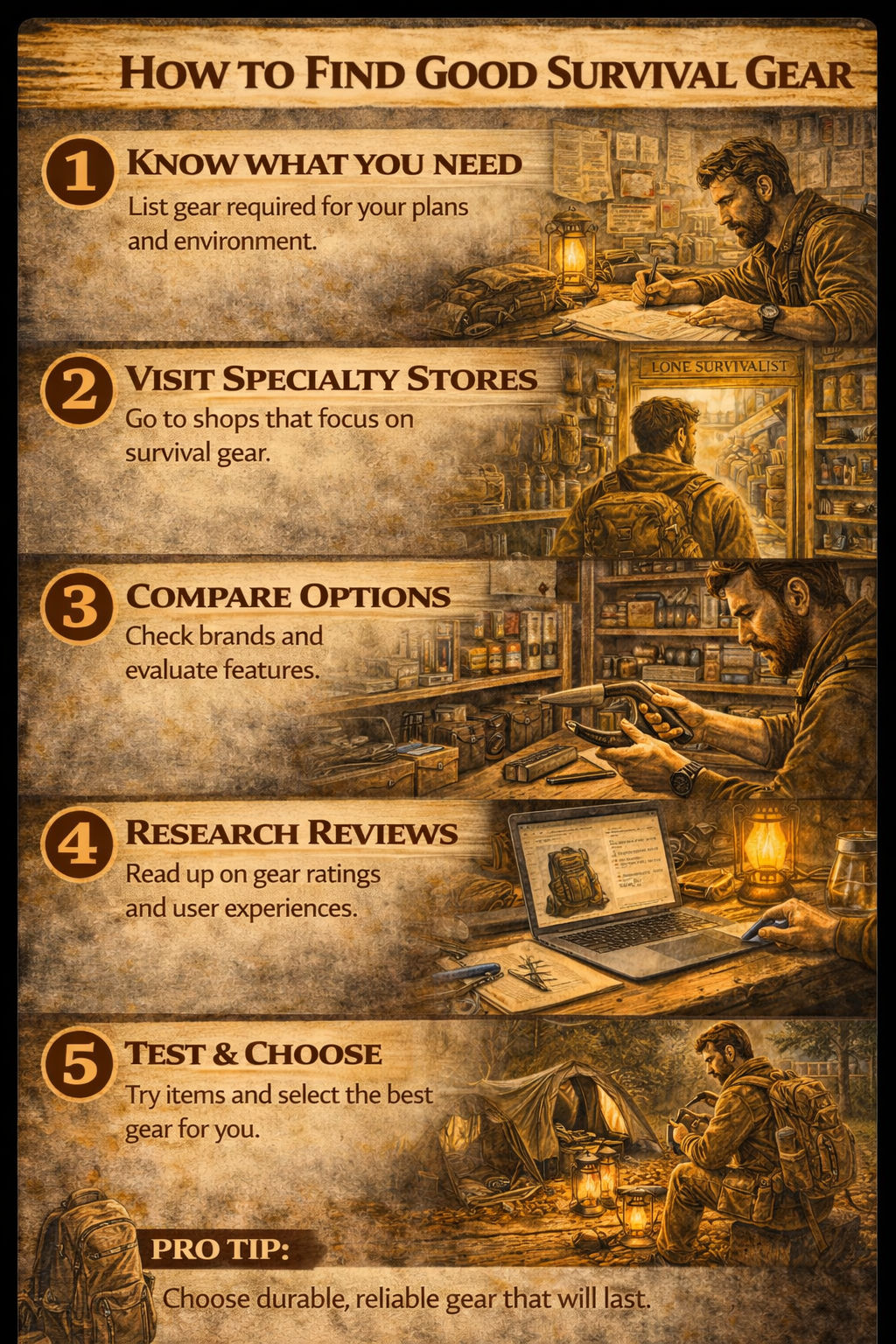
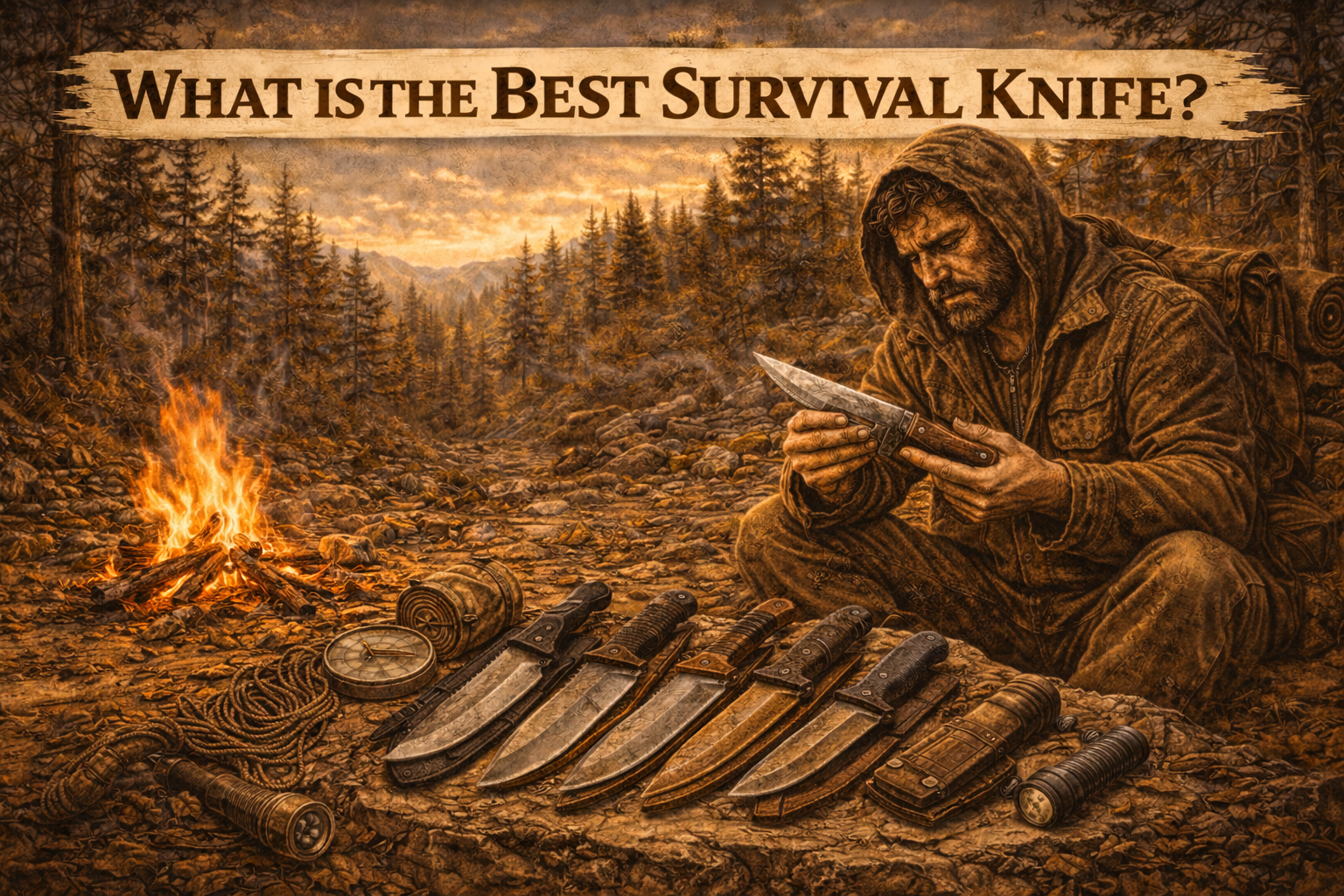
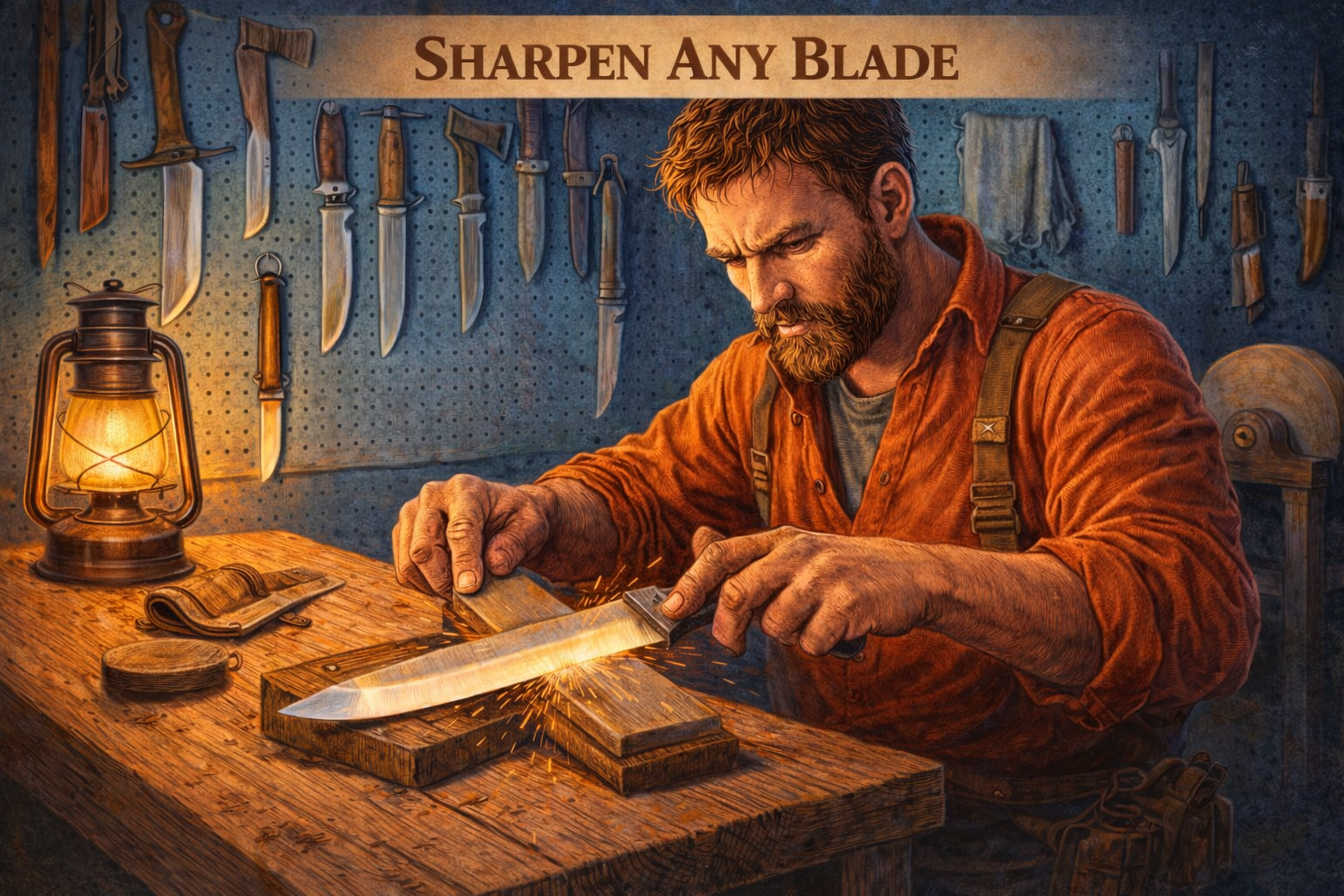
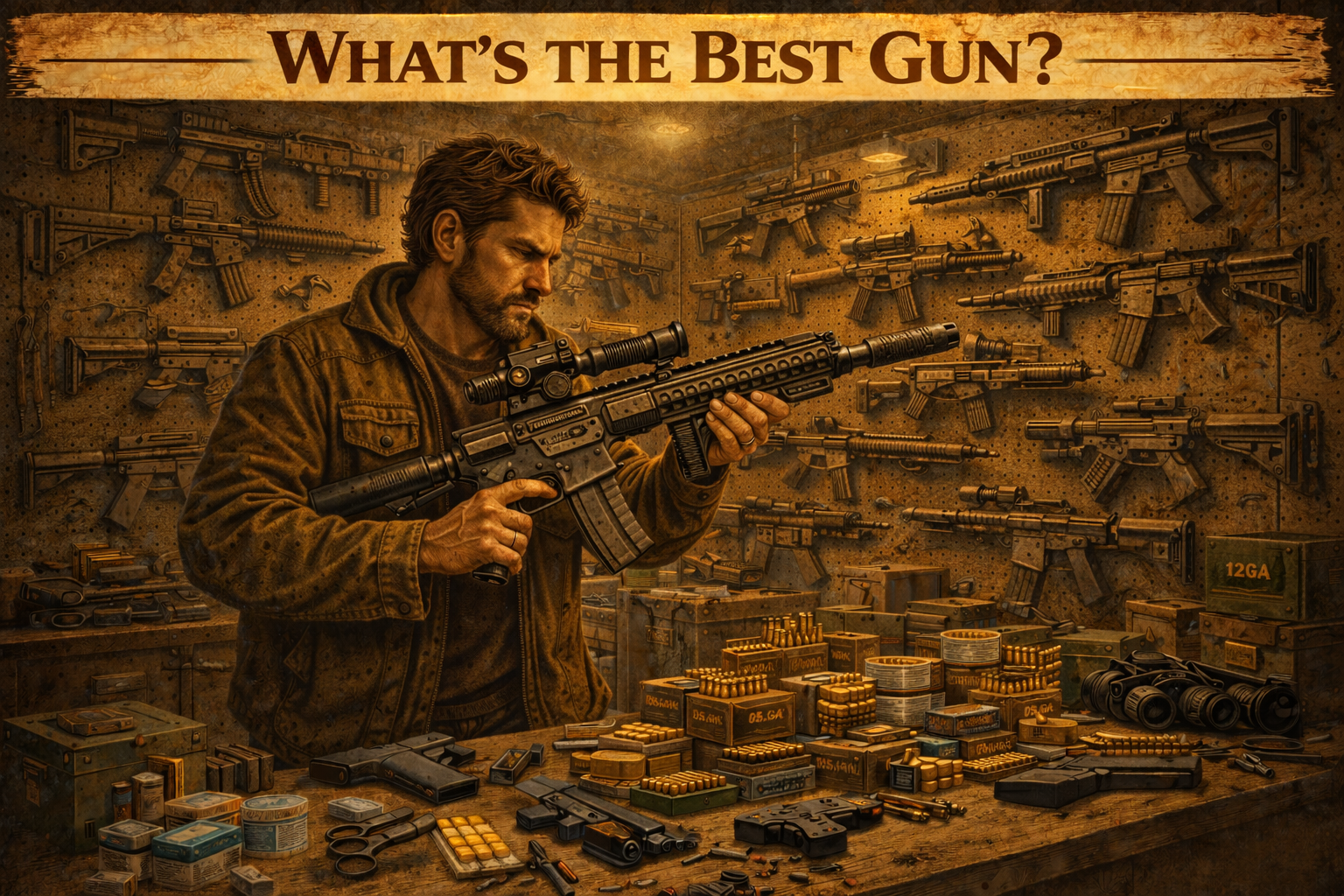
How to Find Good Survival Gear…: Skill 37
What to Look for in Good Survival Gear
Not all gear is created equal.
Some of it’s brilliant. Some of it’s junk.
And flashy marketing rarely tells the truth.
So how do you separate the real from the rubbish?
1. Be Skeptical the first version of any product
First-generation anything is risky
Whether it's a coat, knife, or tool—version 1 usually has flaws.
You don’t find them until thousands of us have already tested them in the wild.Example:
The BMW boxer engine—originally a WWI airplane engine—has been refined over a hundred years. That’s proven durability.
2. Stick to Time-Tested Designs
Old designs work for a reason
Jungle farmers use leaf spring parangs because they know what breaks—and what doesn’t
Reindeer herders carry Puukko and Leuku knives for a reason—they're light and effective
These tools evolved from generations of daily use
If they didn’t work, they wouldn’t still be around
3. Don’t Fall for Gimmicks
A knife with 4 cutting surfaces, a magic saw, and a hidden firestarter?
Sounds cool. But will it really hold up? Probably not.But take that same time-tested design and build it with modern steel and tech?
That’s where innovation actually works.
4. Value Craftsmanship
Good gear takes time and skill to make
Don’t undervalue real craftsmanship. Pay for the work of people who know what they’re doing.Old companies have been around a long time for a reason:
They make gear that works.
5. Most Important: Use Your Gear
Don’t just admire it. Don’t let it sit on a shelf.
Take it out. Beat it up. See how it performs.The field is the only real test
No one respects a trailer queen.
Bottom Line
Look for old-school designs with modern upgrades, made by people who’ve earned their craft.
Forget the gimmicks. Trust what works. And most importantly—get outside and use it.

Skilled survivalist should have this lantern/flashlight^^
Frequently Asked Questions:
-
Durability and simplicity matter most.
-
Complex tools fail more often under stress.
-
Sometimes, but quality matters under pressure.
-
Buying items without real testing.
-
Core essentials should come first.